Complex Remediation, Coordinated Execution, Proven Results
AWT successfully completed a highly complex residential fuel oil contamination remediation project that required extensive planning, precise execution, and close coordination with a wide range of stakeholders. From environmental remediation to structural relocation, this project demonstrates AWT’s ability to manage multifaceted challenges while maintaining safety, regulatory compliance, and community trust.
Project Overview
The project involved remediation of significant fuel oil contamination beneath an occupied residential structure in a densely populated area. Stakeholders included arborists, an external engineering firm, town officials, local residents, a neighboring public school, a local church community, the homeowner, and the homeowner’s insurance carrier. AWT worked collaboratively with all parties to minimize disruption and ensure transparency throughout each phase of work.
Scope of Work
Due to the extent of contamination beneath the residence, the project required both environmental remediation and major structural coordination. Key elements of the scope included:
- Removal of approximately eight mature trees exceeding 40 feet in height
- Installation of temporary fencing and removal of an existing air conditioning unit
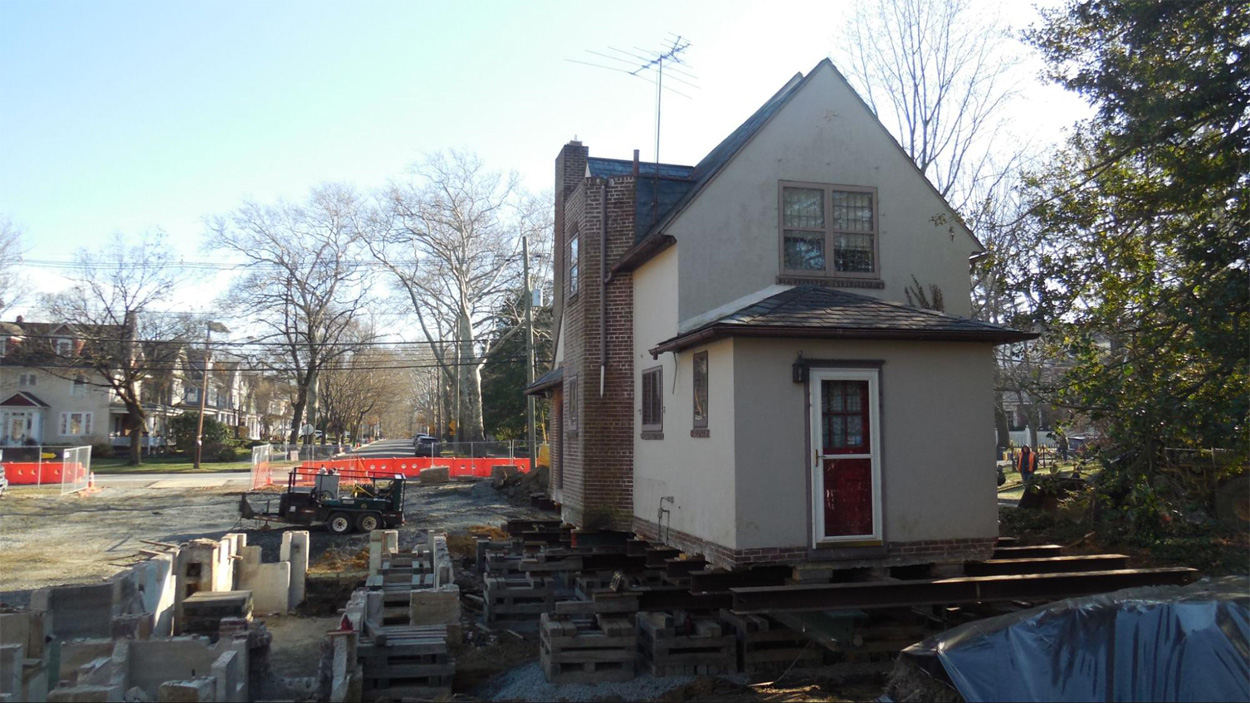
- Careful relocation of the residence from its foundation onto adjacent publicly owned property
- Installation of fourteen (14) helical piers to support a freestanding garage and an adjacent church building, ensuring structural stability during excavation
- Excavation and off-site disposal of approximately 8,500 tons of contaminated soil using two single-bay slide rail boxes
Anticipating groundwater impacts, AWT proactively obtained a discharge permit from the New Jersey Department of Environmental Protection (NJDEP). To manage impacted groundwater efficiently, AWT installed an on-site groundwater treatment system, allowing water to be treated on location rather than transported off-site, resulting in a more cost-effective and controlled solution.
Utility and Structural Restoration
All interior and exterior utilities were safely cut, capped, and removed, including electrical service, heating systems, plumbing fixtures, washer, dryer, water heater, and associated infrastructure. Once remediation was complete, the project required full reconstruction, including:
- Complete removal and replacement of the foundation
- New flooring systems
- Reconstruction of interior and exterior stair systems
- Replacement of the driveway and sidewalk
Project Management & Coordination
This project demanded a meticulously developed and executed project plan. AWT coordinated closely with plumbing, electrical, and masonry subcontractors, as well as a licensed land surveyor and local township inspectors. This integrated approach ensured continuous progress, minimized delays, and allowed remediation and construction activities to proceed seamlessly.
Results
The project was completed within the estimated budget and met the satisfaction of all parties involved, including the town, NJDEP, homeowner, and insurance carrier.
Most importantly, the project highlights AWT’s core strengths:
- The ability to integrate multiple internal divisions, including remedial and systems teams
- Strong project management and on site supervisory expertise
- A holistic, unbiased approach to remediation that prioritizes safety, efficiency, and long-term results
Conclusion
This residential fuel oil remediation project is a clear example of AWT’s capability to successfully deliver even the most complex remediation efforts. By combining technical expertise, proactive regulatory coordination, and disciplined project management, AWT provided a comprehensive solution that protected the community, restored the property, and delivered measurable value for all stakeholders involved.